- Square Feet
- Square Meters

Oranjestad Is Entering a New Real Estate Chapter - And Investors Should Pay Attention
1. A Turning Point for Downtown Oranjestad
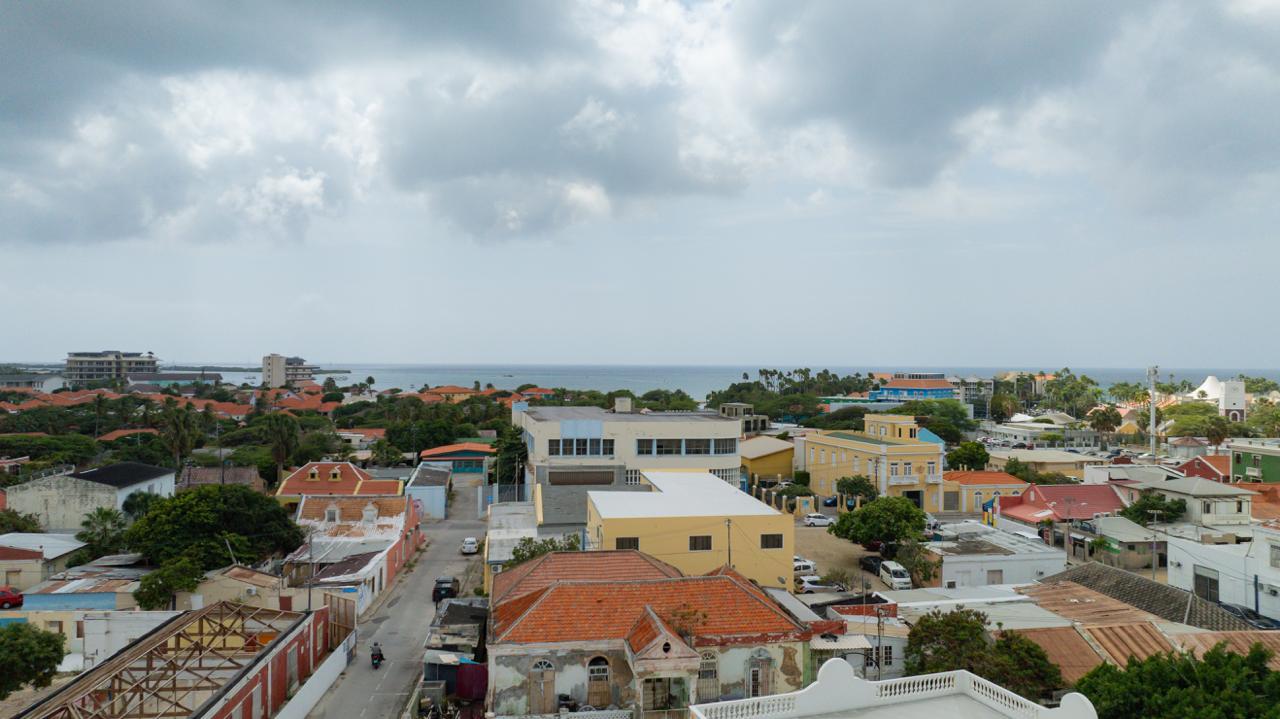
Downtown Oranjestad has always been the historic, cultural, and economic heart of Aruba. Long before resort corridors and beachfront high-rises defined the island’s international image, Oranjestad was where life unfolded: where commerce, culture, government, and daily living intersected.
Today, something structural is happening.
Aruba is entering a new urban cycle, and Oranjestad is no longer viewed solely as an administrative center. It is becoming investment-grade.
This shift is not accidental. It is the result of converging forces: renewed government focus on city-center redevelopment, continued strength in tourism, limited land availability, and a growing demand for urban living and centrally located second homes. When these forces align, cities change.
We believe Oranjestad is entering that phase.
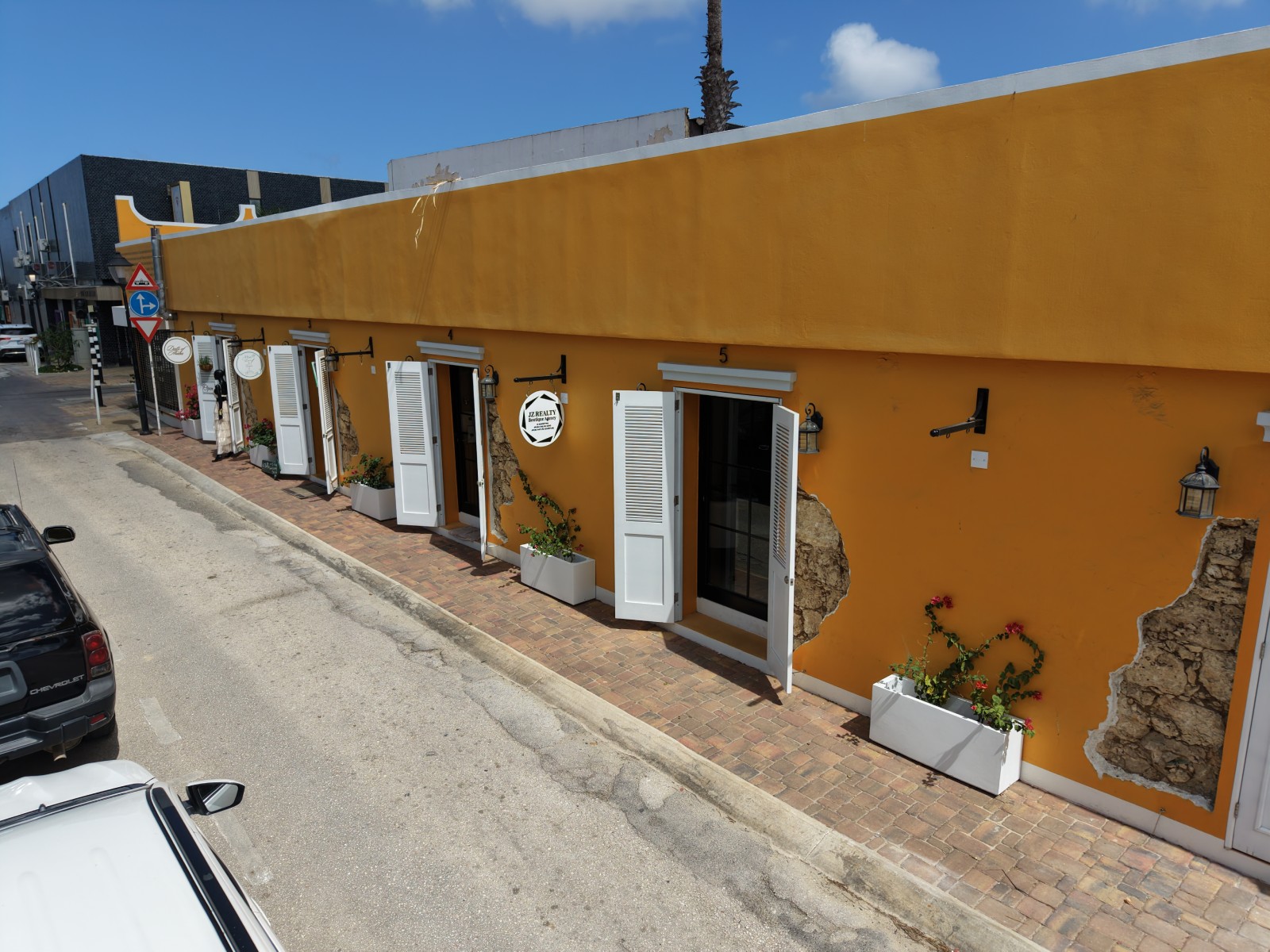
With our main office located in downtown Oranjestad—within walking distance of the cruise terminal and surrounded by ongoing activity—we are witnessing firsthand how momentum is building. This is not speculation. It is structural positioning.
2. The Government Incentive — What It Really Means for Investors
In real estate, policy often precedes price movement. Governments introduce incentives when they want to accelerate change, remove friction, and attract long-term capital.
Aruba’s newly announced beneficial fiscal policy for the redevelopment of the city centers of Oranjestad and San Nicolas is a clear example.
Beginning January 1, 2026, qualifying redevelopment projects may benefit from:
• A 10-year exemption from corporate profit tax and dividend withholding tax (2026–2035)
• A two-year exemption (2026–2027) from property transfer tax and turnover taxes (BBO/BAZV/BAVP)
• An alternative option allowing up to Afl. 500,000 of immediate depreciation on redevelopment and renovation costs incurred between 2026 and 2035
These incentives are deliberately structured. They are not broad giveaways, but targeted tools designed to make urban redevelopment financially viable while ensuring real activity takes place.
For investors, this changes return models in several ways:
• Reduced transaction friction in the early years
• Improved cash flow during the operational phase
• Greater feasibility for value-add and redevelopment projects
• Increased attractiveness of city-center residential density
The policy also makes one thing very clear: timing matters. The years 2026 and 2027 are strategically important due to the availability of transfer and turnover tax exemptions and special rollover mechanisms.
This is how cities reposition themselves—by aligning public policy with private capital.
3. Why Oranjestad Is Structurally Undervalued
Urban real estate cycles are rarely obvious at the beginning. Value is often created where perception lags reality.
To understand why Oranjestad remains structurally undervalued today, it helps to look beyond numbers and focus on the city’s DNA, history, and lived reality.
Market Observations from Jorge Zarraga
Jorge Zarraga, founder of JZ Realty and one of the most active figures in Aruba’s new development and condo market, has spent years working directly in downtown Oranjestad. His perspective reflects both market experience and long-term observation.
“Oranjestad was once the main place of attraction in Aruba,” Jorge explains. “Before resort areas expanded elsewhere, this was where everything came together—beaches, stores, bars, culture, and daily life.”
What makes Oranjestad unique in the Caribbean is not only its function as a capital city, but its character.
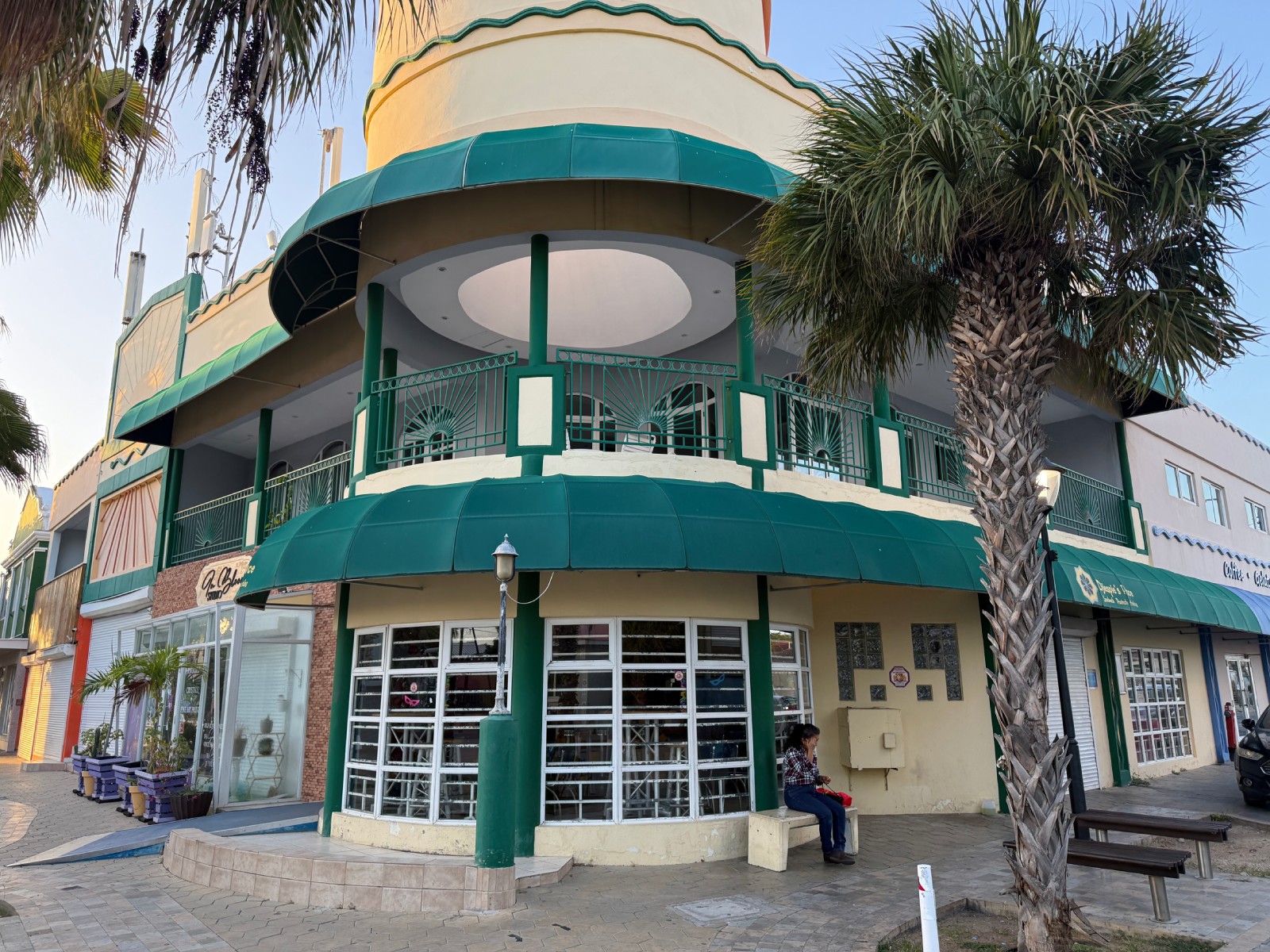
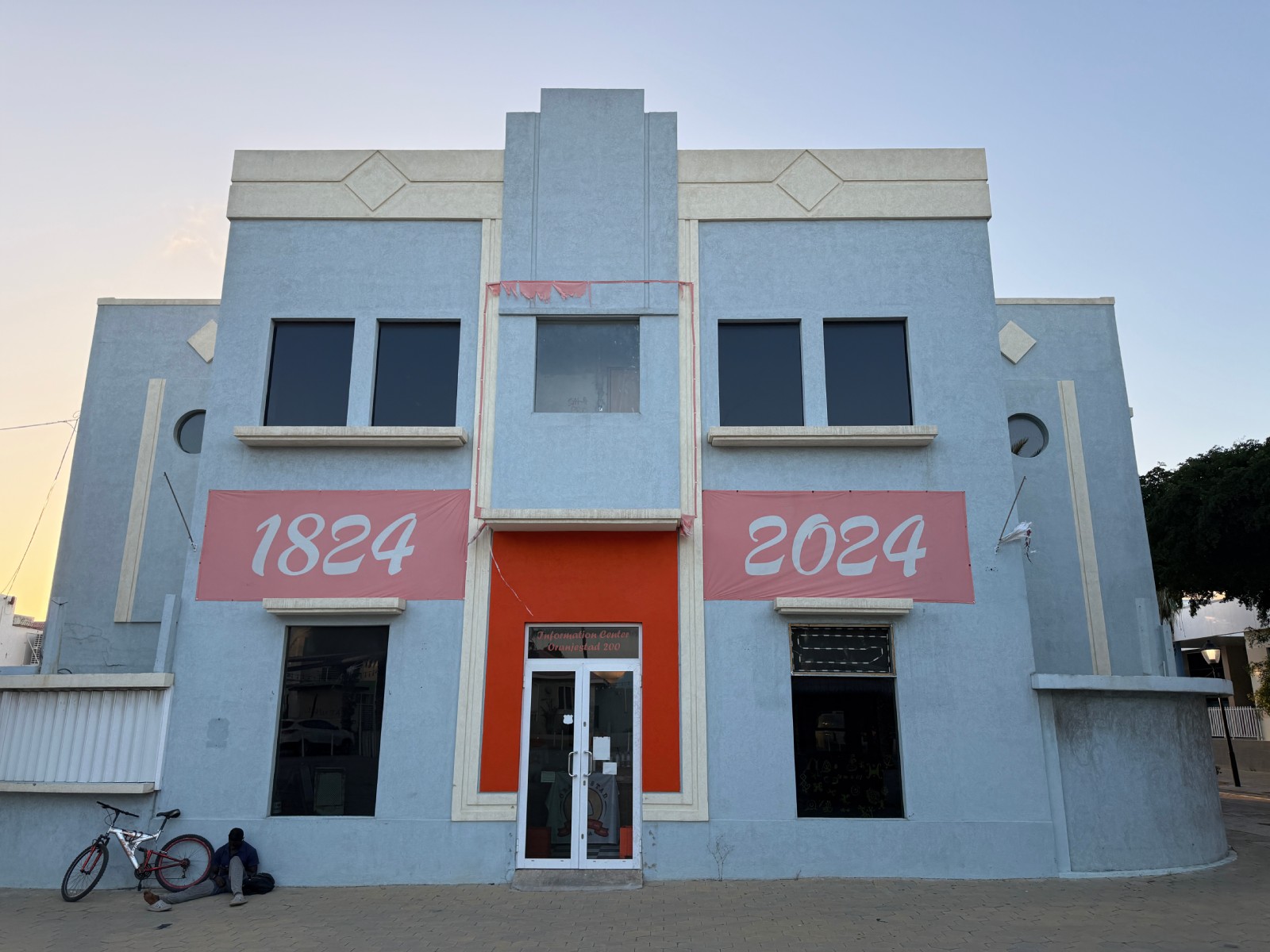
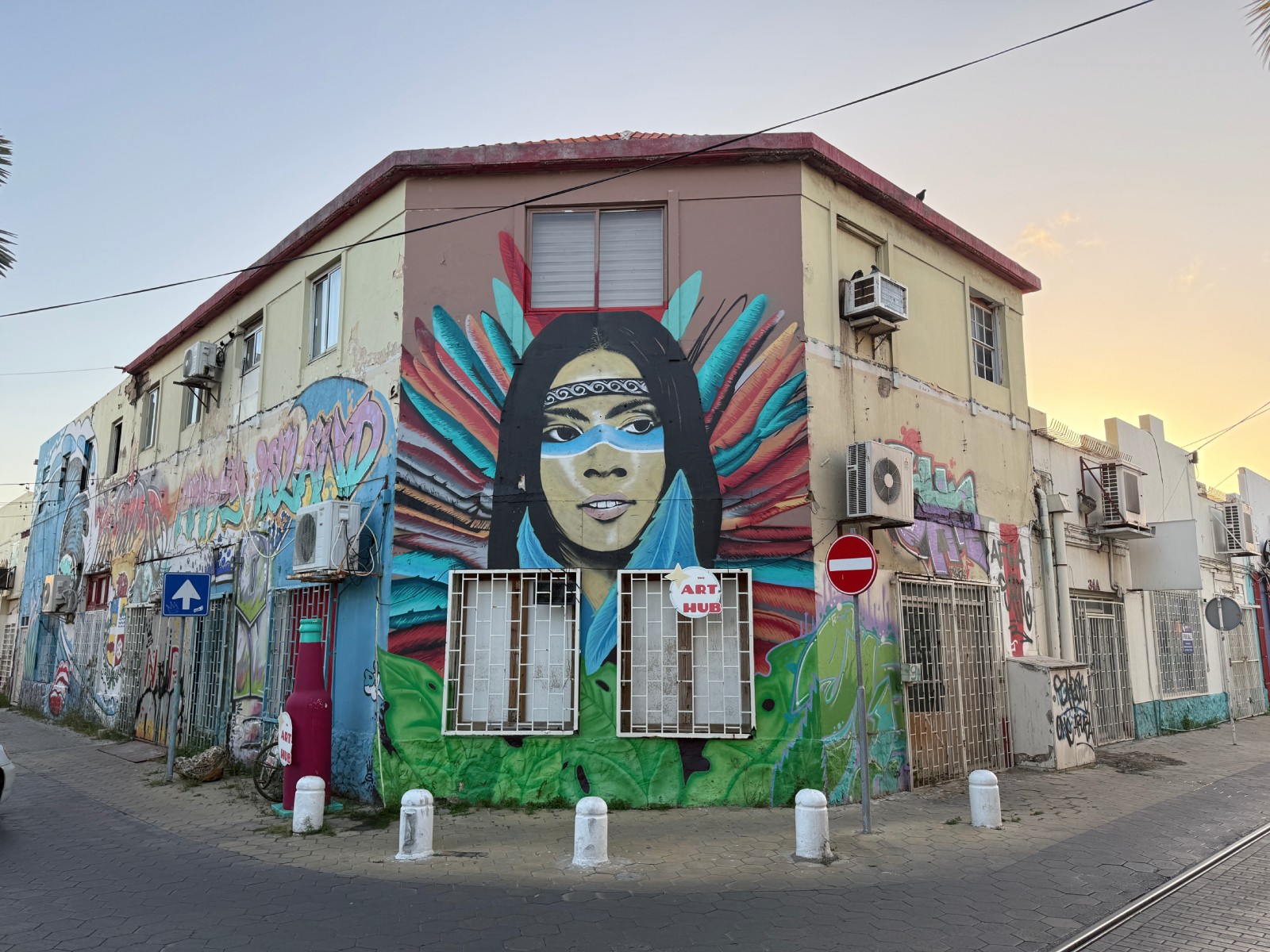
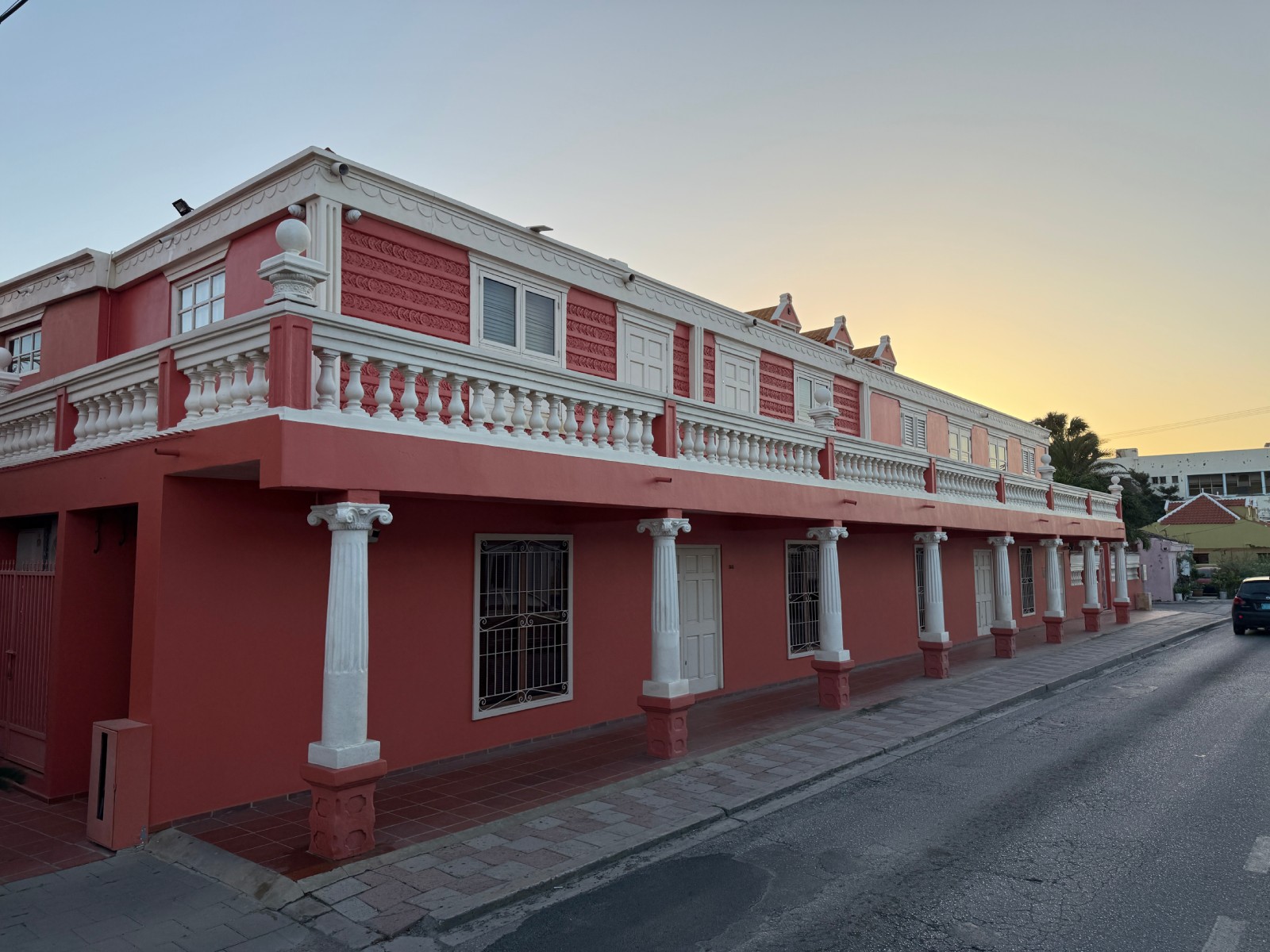
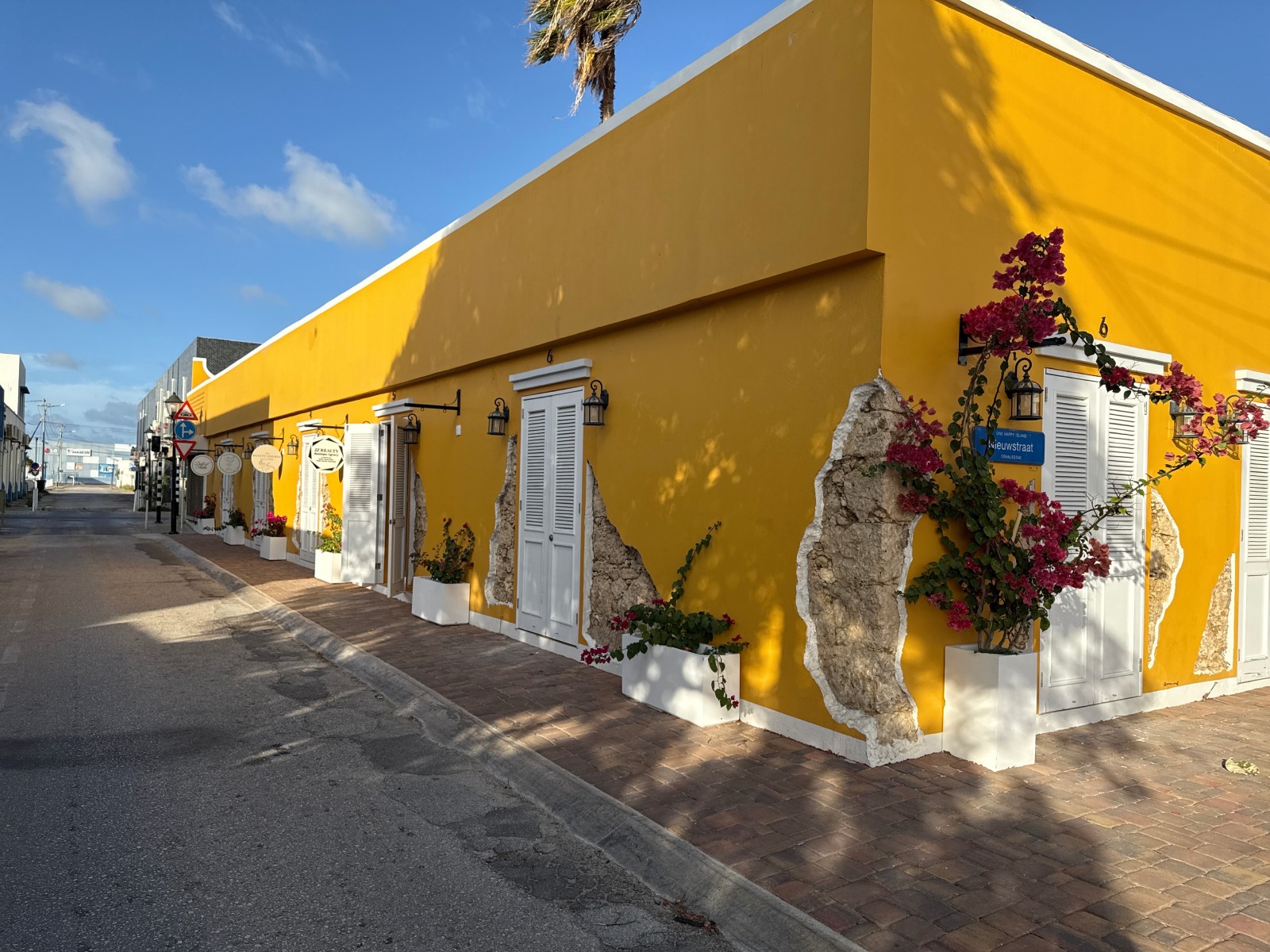
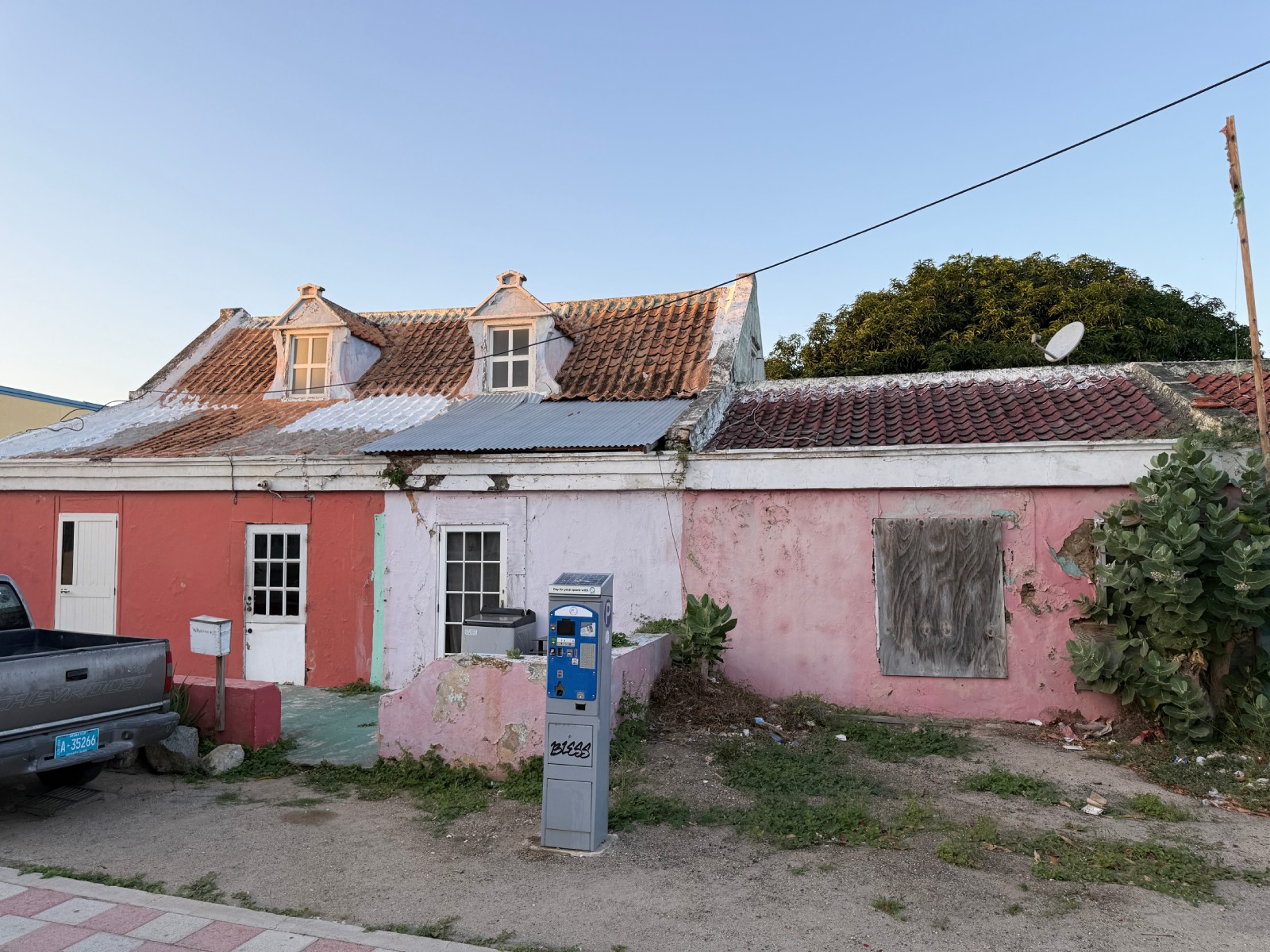
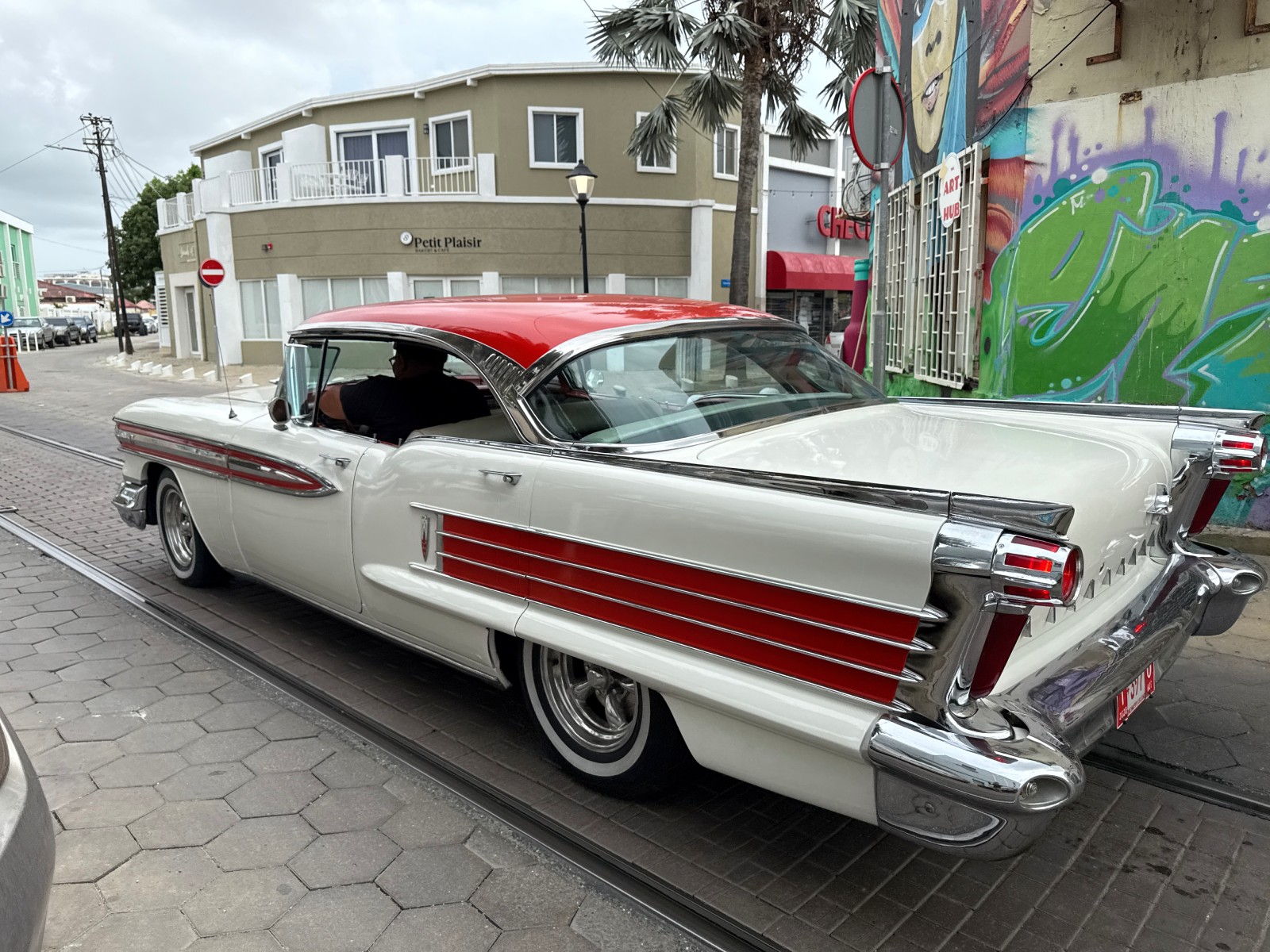
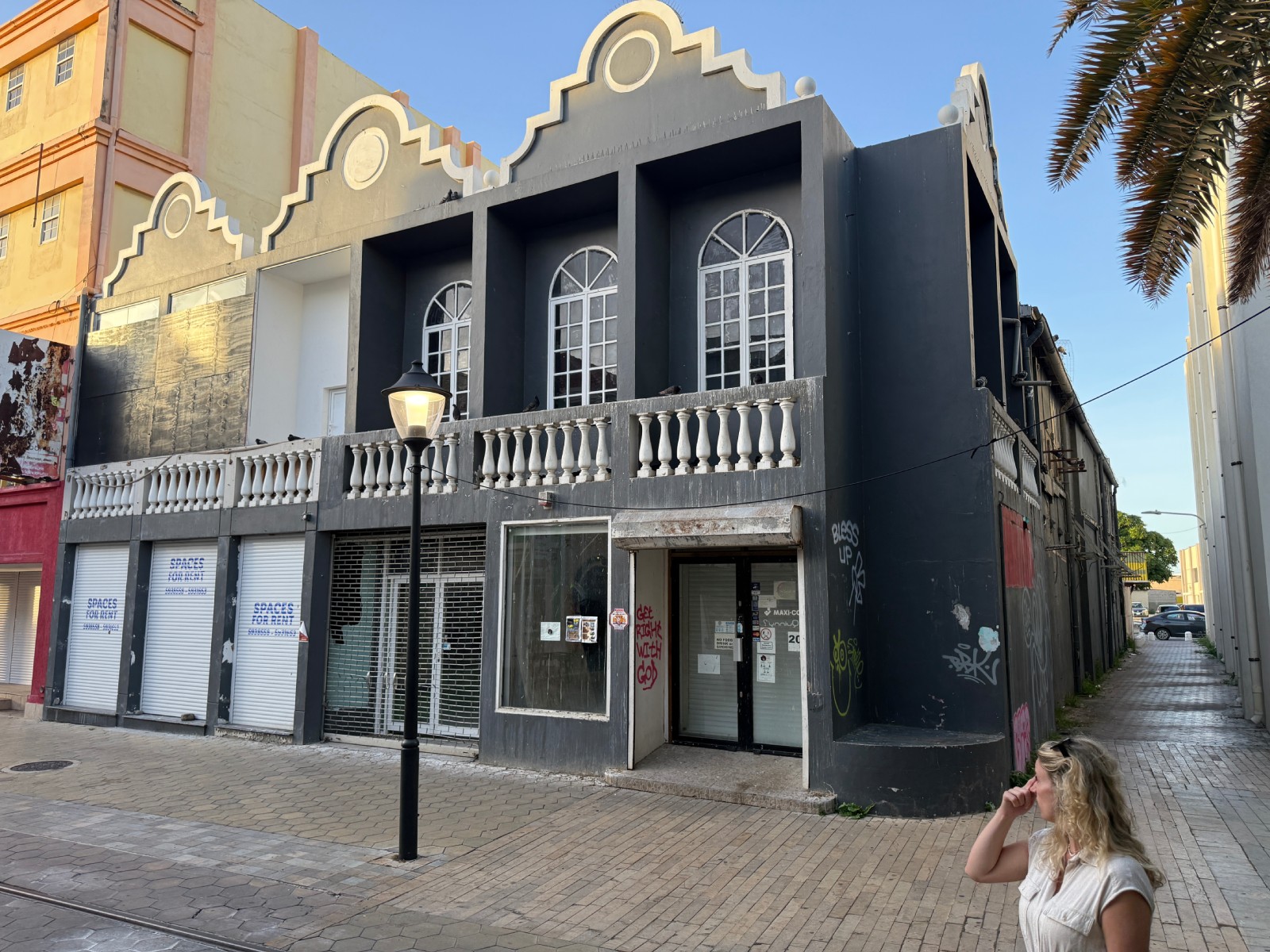
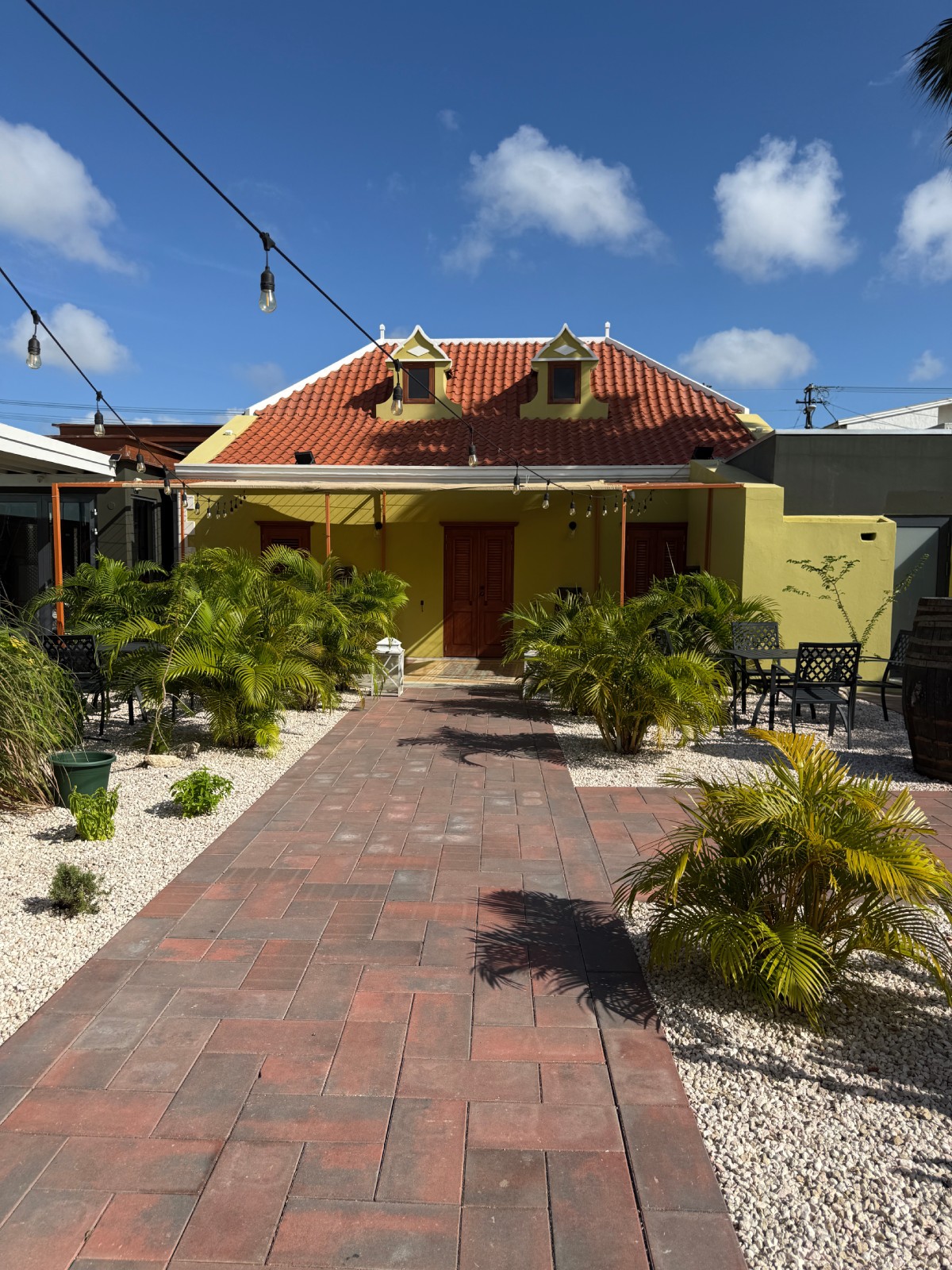
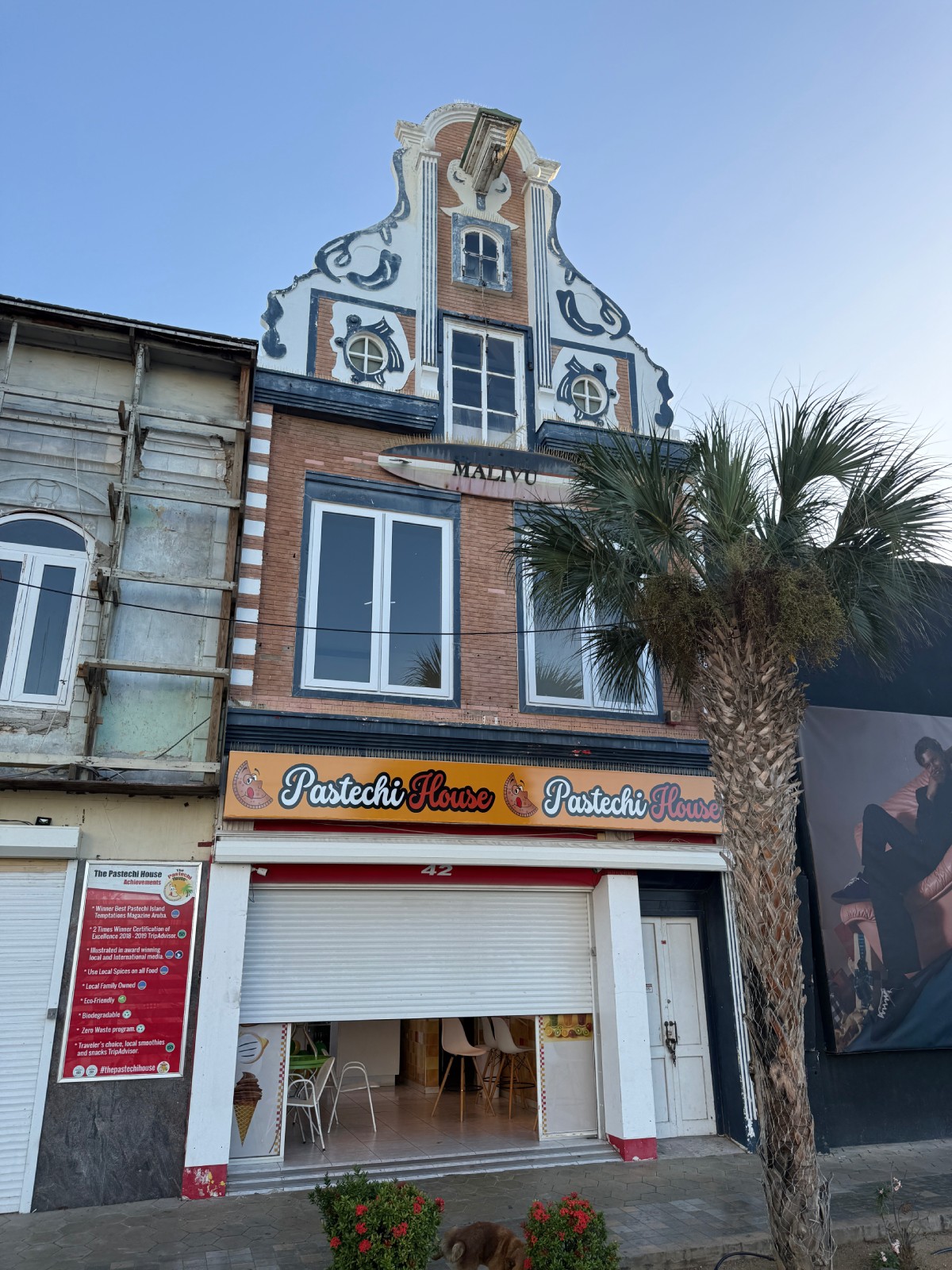
The city features colonial streets, colorful architecture, museums, and traditional kunuku houses—some dating back 200 to 250 years. Very few Caribbean capitals still retain this level of historical authenticity.
“Oranjestad has something that cannot be replicated,” Jorge notes. “It has culture, history, walkability, and a sense of place. That foundation is incredibly powerful once people start living in the city again.”
From an urban economics perspective, residential density is a catalyst.
“When apartments and condos return to the city core, everything changes,” he continues. “Residents bring life. Life brings restaurants, retail, nightlife, safety, and investment. That cycle drives value.”
This is a pattern seen repeatedly in cities worldwide: once housing returns to the center, underutilized areas reprice.
Despite this, Oranjestad remains under-estimated in the eyes of many international buyers.
“Most people still think of Aruba in terms of resort areas first,” Jorge says. “But Oranjestad already has beaches, waterfront access, culture, government institutions, banks, and the main cruise terminal. The value hasn’t caught up yet.”
He also points to a broader regional lens.
“Historically, Aruba was a major destination for visitors and investors from Venezuela,” he explains. “If regional dynamics shift again—particularly around energy and economic activity—Aruba is positioned to benefit due to its stability and infrastructure.”
The conclusion is not speculative. It is strategic.
“The opportunity lies in recognizing that Oranjestad’s future is not priced into today’s values,” Jorge concludes. “That gap is where long-term investors win.”
4. Condos as the Smart Asset Class in Aruba
Urban transformation is driven by people living in cities, not just visiting them.
Condos play a central role in this shift.
In Oranjestad, condominiums offer a unique intersection of lifestyle and investment:
• Practical second homes for international buyers
• Lock-and-leave ownership for frequent travelers
• Rental flexibility supported by tourism and business demand
• Predictable ownership through HOAs
From a risk perspective, condos in urban environments often outperform single-family homes because they offer:
• Lower maintenance exposure
• Easier management for absentee owners
• Greater liquidity
• Broader buyer appeal
As Oranjestad redevelops, centrally located condos are likely to be among the first assets to experience repricing—especially those within walking distance of the waterfront, cruise terminal, retail, and dining districts.
5. Downtown Leadership and Market Presence
Our perspective on Oranjestad is not theoretical.
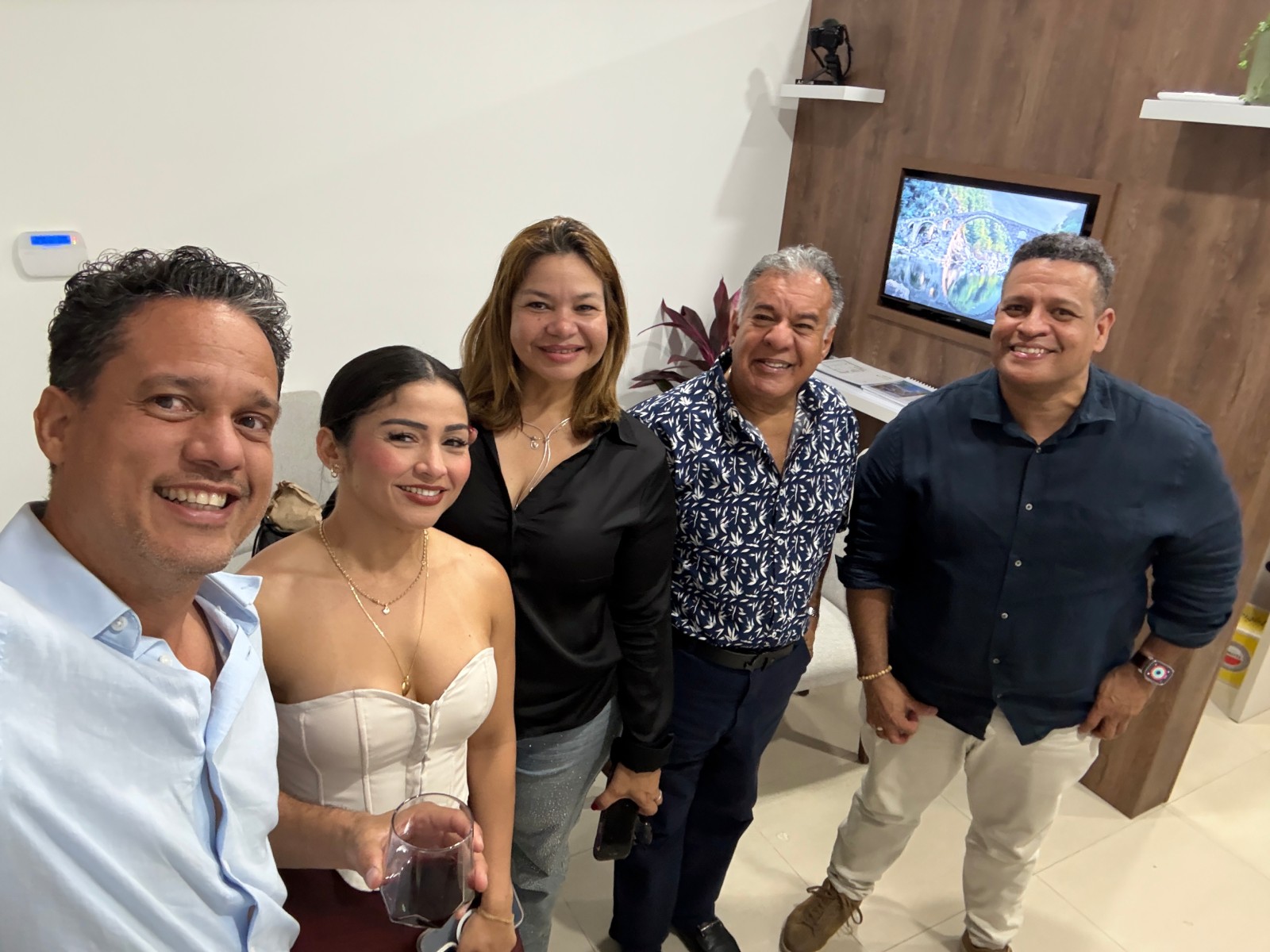
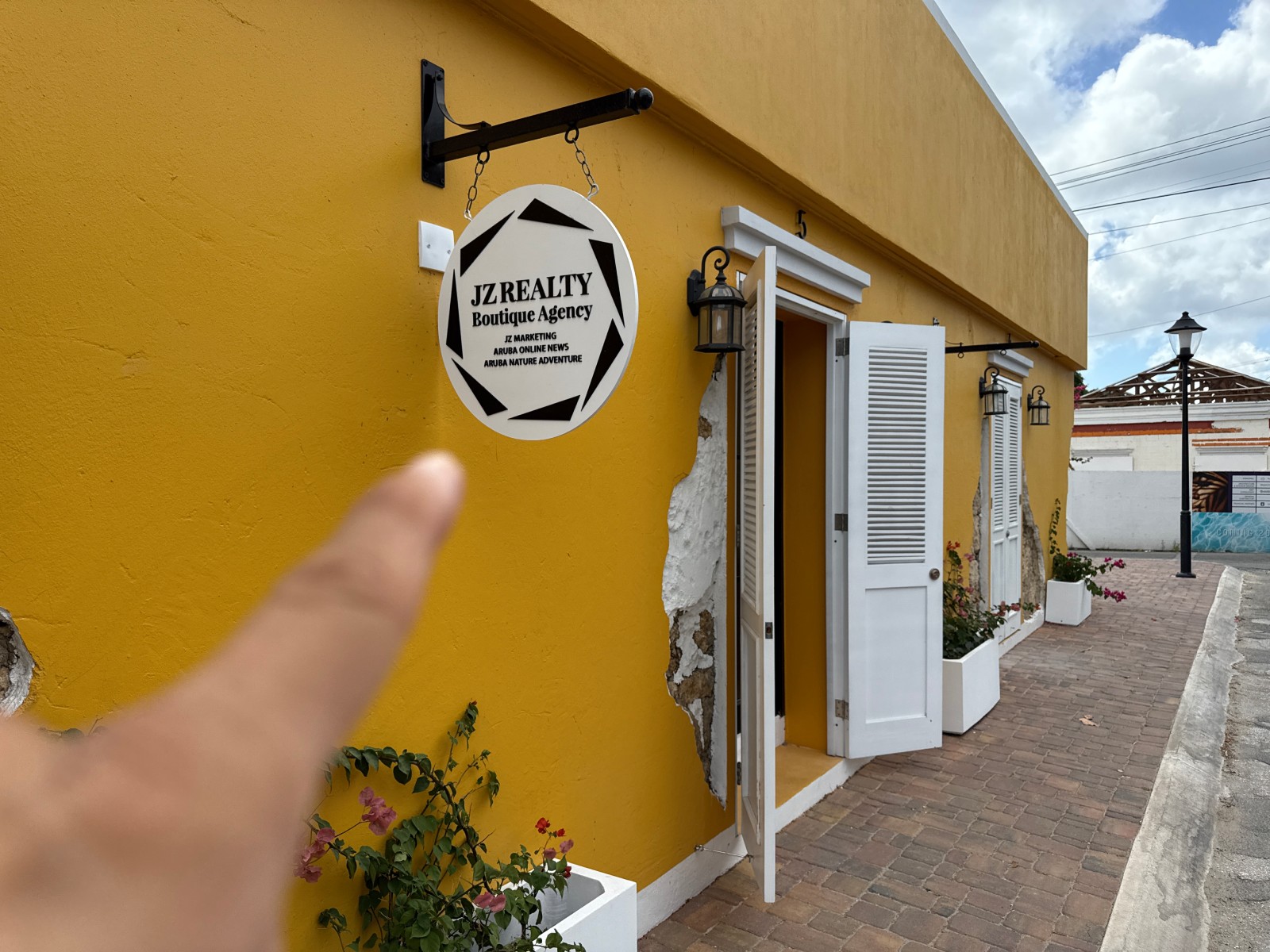
JZ Realty’s main office is located in downtown Oranjestad, embedded in the growth corridor and within walking distance of the cruise terminal. This daily proximity provides constant insight into foot traffic, buyer interest, and development momentum.
Over the years, we have been directly involved in transactions and sales at:
• Coral Shell Condos
• Single One Aruba
• Casa Playa
• Harbor House
• Exclusive oceanfront and waterfront condominiums
Under the leadership of Jorge Zarraga, JZ Realty has focused increasingly on new developments and city-center condos, recognizing early that Oranjestad would emerge as a key growth area.
This experience informs how we guide investors practically, strategically, and with long-term positioning in mind.
6. Investor Strategy Roadmap
Successful real estate investment begins with clarity.
Step 1: Define the objective
Is the goal lifestyle, rental income, appreciation, or a combination?
Step 2: Choose the right asset
Urban condos vary significantly by location, building quality, HOA rules, and rental flexibility.
Step 3: Understand timing
The 2026–2027 window is particularly important due to transaction tax exemptions and incentive mechanics.
Step 4: Structure correctly
For redevelopment-oriented investors, understanding entity structure, compliance requirements, and timelines is essential.
Step 5: Plan the exit
Whether the strategy is long-term hold, rental yield, or eventual resale, exit planning should be built in from the start.
7. Aruba in a Caribbean Context
Compared to many Caribbean markets, Aruba offers:
• Political and legal stability under a Dutch-based framework
• Full foreign ownership rights
• A strong and diversified tourism economy
• Geographic positioning outside the primary hurricane belt
These fundamentals, combined with targeted redevelopment incentives, place Oranjestad in a rare position: a capital city with both lifestyle appeal and policy-supported growth.
8. The Next 10 Years - What Happens If This Works
If the redevelopment strategy unfolds as intended, Oranjestad’s future may include:
• Increased residential density
• Revitalized main streets
• Stronger retail and dining ecosystems
• Higher demand for centrally located condos
• Long-term capital appreciation
Cities evolve when vision, policy, and private investment align.
Final Perspective
Real estate opportunities rarely announce themselves loudly. They emerge quietly through policy signals, changing narratives, and early conviction.
Downtown Oranjestad is not a trend. It is a reawakening.
For investors and buyers looking at Aruba through a long-term lens, the conversation is no longer only about beachfront resorts. It is about city living, culture, history, and future growth.
And Oranjestad is ready.
Take the Next Step in Downtown Oranjestad
Downtown Oranjestad is entering a defining moment. The combination of targeted government redevelopment incentives, limited city-center inventory, and growing demand for urban living is creating a window of opportunity that does not come often in Caribbean real estate markets.
Whether you are exploring a second home, a condominium investment, or a redevelopment-oriented strategy, early positioning matters.
Our team works daily from our downtown Oranjestad office, within walking distance of the cruise terminal and the city’s core. This proximity gives us a real-time understanding of market momentum, buyer behavior, and emerging opportunities.
If you are considering investing in Oranjestad or would like guidance on condos, new developments, or strategic positioning under the upcoming incentive framework, we invite you to connect with us directly.
Call JZ Realty: +297 730 0077
Website: https://jzrealtyaruba.com/